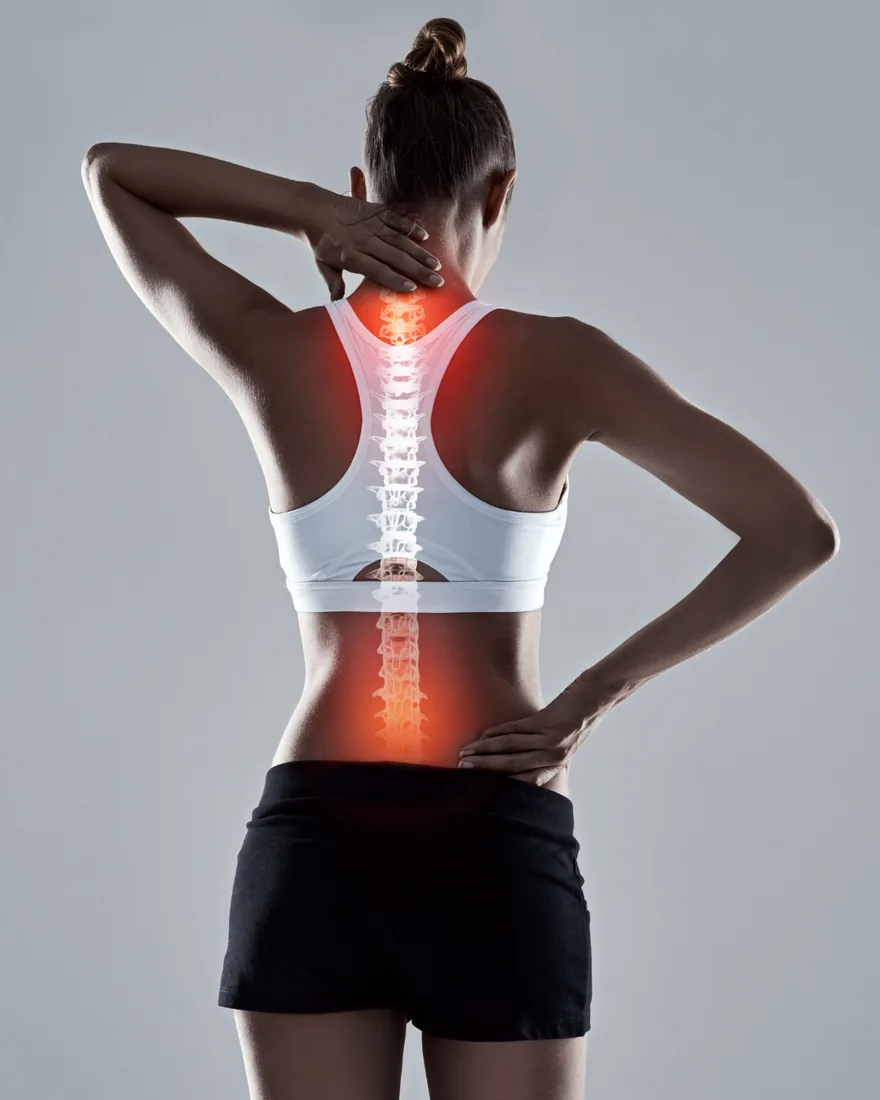
Image-guided treatment for disc degeneration, herniation, stenosis and annular tears, using your own bone marrow cells and platelets to address the cause of the pain rather than manage the symptom. From the physician who co-wrote the textbook chapter on spinal and epidural anesthesia.
Co-author of the Spinal & Epidural Anesthesia textbook chapter
Every injection placed under fluoroscopy or ultrasound
Your own cells: no donor tissue, no rejection risk
Under fluoroscopy or ultrasound, never by landmark alone
Spinal & epidural anesthesia
Textbook
Spinal & epidural anesthesia
Dr. Hostetter co-authored the chapter
Figures as reported by Seattle Regenerative Medicine Center. Individual results vary; no outcome is guaranteed.
The pattern most patients describe
The point where the only options left start sounding drastic.
Many patients reach a point where surgery, high-dose pain medication, or repeated steroid injections seem like the only options left. That is the gap this sits in.
Pain that radiates down a leg, or into the arm from your neck
Numbness, tingling or weakness that comes and goes
Standing for twenty minutes is now a decision, not a given
Steroid injections helped, then helped less, then stopped helping
You've been offered a fusion or a discectomy and you're not ready
You're managing it with medication you'd rather not be taking
An MRI has words on it: degeneration, herniation, stenosis, and no plan attached
If you recognised two or more, a consultation will tell you whether your spine is still in the window where regenerative therapy can help, and say so plainly if it isn't.
Why here, specifically
She co-wrote the reference on putting a needle near a spinal cord.
Spinal injections are unforgiving of imprecision. Dr. Hostetter co-authored the Spinal and Epidural Anesthesia chapter in a leading Clinical Anesthesia textbook and published research on ultrasound-assisted thoracic epidural placement. This is her actual field, not an adjacent one.
The textbook, then the technique
Co-author of the Spinal and Epidural Anesthesia chapter in a leading Clinical Anesthesia textbook, with published research on ultrasound-assisted thoracic epidural placement. Spinal needle placement is the thing she is known for.
Fluoroscopy and ultrasound, every time
Harvest and injection are placed under imaging guidance, to minimise the risk of vessel and nerve injury. In a spine that margin is the whole procedure.
Diagnose before you treat
A back can hurt from a disc, a facet joint or a compressed nerve root, and the treatment differs for each. We work out which structure is generating your pain before anything is treated. Skipping that step is how people end up treating the wrong one.
Your own cells, and only your own cells
Autologous bone marrow concentrate: never amniotic or cord-blood product. Made from your own material, so there's no rejection risk and no ethical question.
Cause, not symptom
Stem cell therapy addresses the cause of the pain rather than simply managing symptoms, by providing growth factors that aid healing in injured tissue.
Sedation, if you want it
Dr. Hostetter is a board-certified anesthesiologist, so sedation is available at minimal extra cost.
Two tools, one spine
What we can actually do for a back.
Both use your own tissue, and they differ in what they carry and what they are best at treating. Which one fits your spine is exactly what the consultation determines.
Bone Marrow Stem Cell Therapy
Most comprehensive
Stem cells from your own bone marrow, concentrated by centrifugation and placed into the spine under imaging guidance.
It addresses the cause of the pain rather than simply managing symptoms, providing growth factors that aid healing in injured tissue.
Harvest 20–30 min · injection 10–30 min
60–90 min in clinic, or 90–120 min with sedation
Autologous: no rejection risk
Higher growth-factor concentration than conventional PRP
The words on your MRI, and what can be done about them.
Interventional regenerative medicine can offer a non-invasive alternative, using your body's own stem cells to repair the damage.
Degenerative Disc Disease
The disc dries out and loses height over time, taking your range of motion and often a nerve's clearance with it. One of the primary indications for stem cell therapy here.
Disc Herniation
Disc material displaces and presses on a nerve root: the usual source of pain that radiates into a leg or an arm rather than staying in the back.
Annular Tears
A tear in the tough outer ring of the disc, and one we treat with stem cell therapy.
Spinal Stenosis
Narrowing of the spinal canal that compresses the nerves running through it. Treated with both regenerative and interventional approaches here.
Compression of Spinal Nerve Roots
Where the nerve exits the spine it can be pinched by disc material or bone. PRP is used to promote healing and repair around it.
Facet Joint Pain
The small joints at the back of each vertebra, and a common source of pain that stays local to the back rather than radiating down a limb.
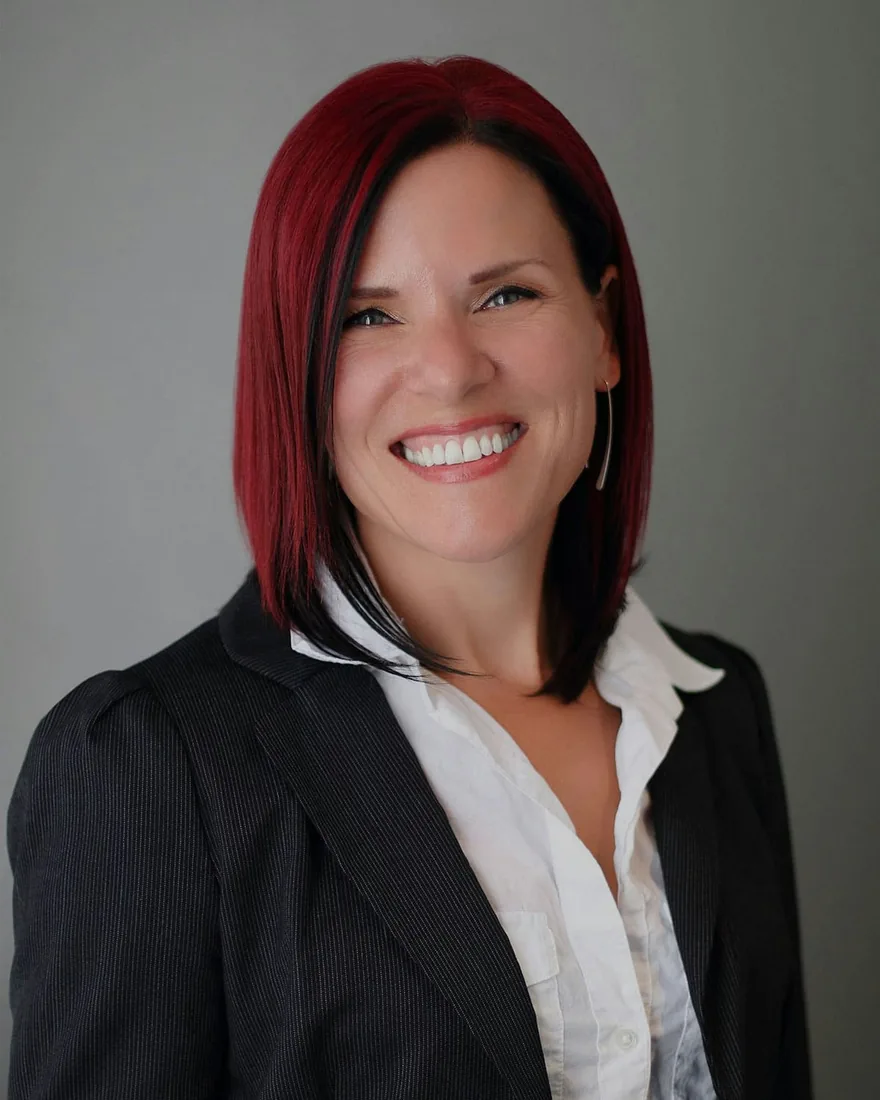
Dr. Lucy Hostetter
Board-Certified Anesthesiologist · Regenerative Medicine
MD, UCLA School of Medicine
Anesthesiology residency, Virginia Mason Medical Center
Moore-Bridenbaugh Regional Anesthesia Research Fellowship
Co-author of the Spinal and Epidural Anesthesia chapter in a leading Clinical Anesthesia textbook, with published research on ultrasound-guided adductor canal blocks for knee replacement and ultrasound-assisted thoracic epidural placement.
The physician
She co-wrote the chapter other anesthesiologists learn epidurals from.
A board-certified, fellowship-trained anesthesiologist, Dr. Hostetter built her career specialising in orthopedic and spine surgery with expertise in regional anesthesia, and co-authored the Spinal and Epidural Anesthesia chapter in a leading Clinical Anesthesia textbook, alongside published research on ultrasound-assisted thoracic epidural placement.
In 2014 she established the first regional anesthesia nerve block program for orthopedics and podiatry at St. Francis Hospital, and founded their multimodal pain program for joint and spine patients. An epidural is a needle placed millimetres from the spinal cord; the precision this page is built on is the precision that work required.
“While I have a deep love for the practices of surgery and anesthesiology, I am excited to offer patients an alternative to surgery, a means to repair and restore themselves.”
What actually happens
One appointment. Real numbers, not vague reassurance.
Total clinic time is 60–90 minutes without sedation, or 90–120 minutes with it. Here is where every one of those minutes goes.
01
Consultation
We review your history, your imaging and what you're actually trying to get back to. This is also where we tell you if you're not a candidate.
02
Find the pain generator
A spine can hurt from a disc, a facet joint or a compressed nerve root, and the treatment differs for each. Where the source is unclear, we establish it before anything is treated.
03
Bone marrow harvest: 20–30 min
After positioning and local anesthesia, marrow is harvested with specialised equipment under ultrasound or fluoroscopy guidance.
04
Concentration
Your cells are separated and concentrated by centrifugation in the clinic, no more than minimal manipulation, which is what keeps the procedure inside FDA guidelines.
05
Guided injection: 10–30 min
The concentrate is placed precisely at the site of injury under imaging guidance. Total clinic time is 60–90 minutes, or 90–120 with sedation.
06
Recovery and follow-up
Expect some mild tenderness at the puncture sites and possibly mild pain and swelling at the injection site. Many patients are back to normal activity within a day or two.
Setting expectations honestly
When you'll feel it, and when you won't.
This is the part most clinics blur. Regenerative therapy is a healing process, not an anesthetic, so the timeline is genuinely variable. Here is the full range we see, including the slow end.
Day 1–2
Back to normal activity
Many patients return to work or full activity as soon as they feel up to it. Mild bruising and tenderness at the needle sites is not unusual. Without sedation you can drive home after a short observation period.
Days to weeks
The early responders
Some patients report feeling better within a couple of days of the procedure. Strenuous exercise and high-impact movement should wait a short period.
1–3 months
The typical window
Most improvement is reported in this range as the cell signalling process drives healing and recovery.
6–9 months
Maximal results
It can take as long as six to nine months for maximal results. Many patients get relief from a single treatment; some benefit from repeating or augmenting it.
Worth being clear about: regenerative therapy is not a fix for every spine. Where the structural problem is beyond what cells can repair, such as significant instability or severe stenosis with progressive neurological signs, surgery may genuinely be the right answer, and we will say so.
In their own words
Real reviews from our spine patients.
These are real, published reviews from named patients. They describe individual experiences, not typical or expected results. Outcomes vary between patients and no result is guaranteed.
4.8 from 132 Google reviews
“I had both my knees treated and had wonderful success. I went back to have my back treated.”
“I find her to be friendly, thorough, and highly competent.”
“My appointment was nearly an hour, never felt rushed and made sure all of my questions and concerns were addressed.”
Reviews as published by Seattle Regenerative Medicine Center. Individual results vary and are not a guarantee of outcome for any other patient.
Straight answer
Who this is for, and who it isn't.
Screening people out is part of doing this properly. If any of the right-hand column applies to you, regenerative therapy isn't the right move right now, and we'd rather tell you before you book.
Likely a candidate
Degenerative disc disease, annular tears or stenosis
Chronic lower back pain not relieved by rest, medication or physical therapy
Radiating pain from a herniated disc or compressed nerve root
You've been offered surgery and want to exhaust the alternatives first
Not a candidate right now
A recent cancer diagnosis, or currently undergoing cancer treatment
A blood-borne disease
A current active infection
High-dose blood thinners you can't safely discontinue
Start here
Find out which structure is actually causing it.
A consultation is a real evaluation, not a sales call. We review your history and imaging, work out whether the pain is coming from a disc, a facet joint or a nerve root, and tell you plainly if surgery is the better answer.
We review your history, imaging and what you want to get back to
You get a straight candidacy answer, including “no” if that's the answer
Treatment pricing is explained clearly before anything is scheduled
sedation available for the procedure, if you want it
Fill this in and we’ll call you back. If it’s easier, call 425-454-0406 instead.
Before you call
Questions we get, answered properly.
Can this help me avoid back surgery?
For some patients, yes. We offer regenerative therapy as an alternative to back surgery: a non-invasive option using your body's own stem cells to repair the damage, for conditions including stenosis, annular tears and degenerative disc disease. But it is not a fix for every spine. If your structural problem is beyond what cells can repair, we will tell you at the consultation rather than start a course of injections that won't help.
What's the evidence for the spine specifically?
The evidence base for the spine is thinner than for the knee, and we would rather say so plainly. Published research on regenerative injections for disc-related low back pain is still early, with small studies and inconsistent results. That is part of why the process here begins with working out which structure is generating your pain before anything is treated. At the consultation we go through what the evidence supports, what it does not, and whether surgery is the better answer.
What does the consultation cost, and is treatment covered by insurance?
The consultation is a paid visit: $250, with a $50 non-refundable deposit to reserve the appointment, credited toward the consultation. Regenerative treatments are generally not covered by insurance. We'll give you clear treatment pricing at the consultation, once we know which approach fits your spine.
Is the procedure painful?
Patients commonly report only mild discomfort during the procedure and mild tenderness at the needle puncture sites afterwards. Because Dr. Hostetter is a board-certified anesthesiologist, sedation is available for the bone marrow harvest, the injection, or both, at minimal additional cost.
How long does it take, and will I need someone to drive me?
The harvest takes 20–30 minutes and the injection 10–30 minutes depending on the site: 60–90 minutes in clinic without sedation, 90–120 with it. If you choose sedation you'll need someone to drive you home. Without sedation you can drive yourself after a short observation period.
When will I feel better?
It varies a lot. Many patients report feeling better within a couple of days. Others see results in one to three months. It can take as long as six to nine months for maximal results, as the cells drive a healing and recovery process rather than masking pain.
Will it regrow my disc?
We won't promise that. What stem cell therapy provides is growth factors that aid healing in injured tissue, addressing the cause of the pain rather than simply managing symptoms, which in practice means pain relief and functional improvement. Claims about rebuilding disc height go beyond what the evidence supports.
How is this different from the epidural steroid injections I've already had?
A steroid injection reduces inflammation around an irritated nerve: useful, often the step that makes rehabilitation possible, but it treats the inflammation rather than the damaged tissue. Regenerative therapy aims at the tissue itself, which is the part a steroid does not address.
What are the risks?
Any time a needle punctures the skin there is a risk of bleeding, bruising, pain, infection or nerve injury. Fluoroscopy and ultrasound guidance are used specifically to minimise the risk of vessel and nerve injury. Mild bruising and tenderness at the puncture sites is not unusual.
How is this different from the stem cell clinics advertising cord blood?
We use only your own bone marrow cells. Because the product is made exclusively from your own blood-related material, there's no risk of an immune response or rejection, no disease-transmission risk, and no ethical question about the source. Bone marrow is also processed with no more than minimal manipulation, which keeps the procedure compliant with FDA guidelines.
Will I need more than one treatment?
Many patients get relief after only one treatment. Depending on the nature and severity of your condition, you may benefit from repeating or augmenting the treatment.