

An anesthesiologist is holding the needle
Cells only help if they land exactly where the damage is. Dr. Hostetter built the adductor canal block program for total knee replacements: the same needle skill, applied to repair.

Bellevue, Washington
Non-surgical knee treatment led by a board-certified anesthesiologist, using your own bone marrow cells and platelets to treat the injury, not just numb it. For active adults who were told to wait until the knee is “bad enough” for a replacement.
4.8 from 132 Google reviews
Send us a few details and we'll call you back to talk it through.
Dr. Lucy Hostetter
Board-Certified Anesthesiologist · Regenerative Medicine
Prefer to talk it through? Call 425-454-0406
 MD · Dr. Hostetter
 Diplomate · ABA
20–30 min
Bone marrow harvest
The harvest step, performed in the procedure room
60–90 min
Total time in clinic
Without sedation; 90–120 minutes with it
3
Options reviewed at consultation
Stem cell therapy, PRP, or shockwave therapy
Autologous
Your own cells only
No donor, amniotic or cord-blood tissue at any stage
Figures as reported by Seattle Regenerative Medicine Center. Individual results vary; no outcome is guaranteed.
The pattern most patients describe
The usual path runs from ibuprofen, to physical therapy, to a cortisone shot, to “come back when it's bad enough for a replacement.” Regenerative therapy sits in the gap that path leaves open, and it works best earlier, not later.
If you recognised two or more, a consultation will tell you quickly whether your knee is still in the window where regenerative therapy can help.
Why here, specifically
Plenty of clinics sell regenerative injections. Very few are run by a physician whose entire career was built on placing a needle in exactly the right place, under imaging, in an orthopedic joint.
Cells only help if they land exactly where the damage is. Dr. Hostetter built the adductor canal block program for total knee replacements: the same needle skill, applied to repair.
Every harvest and injection is placed under ultrasound guidance, to minimise vessel and nerve injury, and to put the cells precisely inside the joint.
Autologous bone marrow concentrate: never amniotic or cord-blood product. Made from your own material, so there's no rejection risk and no ethical question.
Bone marrow can be processed with no more than minimal manipulation, which keeps the procedure compliant. A deliberate constraint, not a marketing line.
Dr. Hostetter is a board-certified anesthesiologist, so sedation is available at minimal extra cost.
Regenerative therapy suits moderate osteoarthritis and degenerative change. If your knee is past that, we say so, rather than sell you a series of injections.
Three tools, one joint
These are not interchangeable. Which one fits depends on whether the problem is the joint surface, the soft tissue around it, or a tendon where healing has stalled, which is the whole point of the consultation.
Stem cells from your own bone marrow, concentrated by centrifugation and placed into the knee under imaging guidance.
Marrow rather than fat: those cells sit closer in lineage to cartilage and tendon, and marrow can be processed with minimal manipulation.
Typically used for
Moderate knee osteoarthritis, cartilage deterioration, degenerative change
Platelet-rich plasma from your own blood, spun to concentrate the growth factors and injected the same visit.
From blood rather than marrow, so it carries growth factors but no stem cells: the tool for ligaments and tendons rather than the joint surface.
Typically used for
Patellar tendonitis, ligament and tendon injury, early-stage change
Acoustic waves delivered through a handheld device to the affected area, stimulating the body's own healing response.
Non-invasive, with no incisions and no anesthesia. It breaks down scar tissue, stimulates blood flow and encourages tissue regeneration.
Typically used for
Patellar tendinopathy and other tendon conditions, where healing has stalled
The question everyone asks
A common question we get asked is what is the difference between these two therapies.
| Bone Marrow Stem Cell Therapy | PRP Therapy | |
|---|---|---|
| Taken from | Your bone marrow | Your blood |
| Contains stem cells | Yes, mesenchymal stem cells | No, platelets and growth factors only |
| Growth factor concentration | Higher than conventional PRP | Standard |
| Time in clinic | 60–90 min (90–120 with sedation) | Usually under an hour |
| Typically used for | Moderate osteoarthritis, cartilage, degenerative joint change | Mild-to-moderate ligament and tendon injury |
| Rejection risk | None, autologous | None, autologous |
| Sedation available | Yes, at minimal cost | Not usually needed |
Knee conditions we treat
Regenerative medicine can repair injuries of the soft tissue, tendons and ligaments of the knee, and we see particular success with degenerated cartilage under the kneecap.

The wear-and-tear arthritis that narrows the joint space and takes your range of motion with it. The primary indication for regenerative therapy here.
A tear in one of the ligaments of the knee. Common in patients who took an athletic injury years ago and have compensated for it ever since.
Damage to the cartilage of the knee. Regenerative medicine can repair injuries of the soft tissue, tendons and ligaments of the knee.
Cartilage wears down over time, which leads to pain and stiffness in the joint. We see particular success repairing degenerated cartilage under the kneecap.
A painful injury that makes it difficult to extend the knee during normal activity, often called Jumper's Knee.
Cartilaginous softening and fibrillation of the patellar bone cartilage. It can cause patellofemoral pain syndrome.
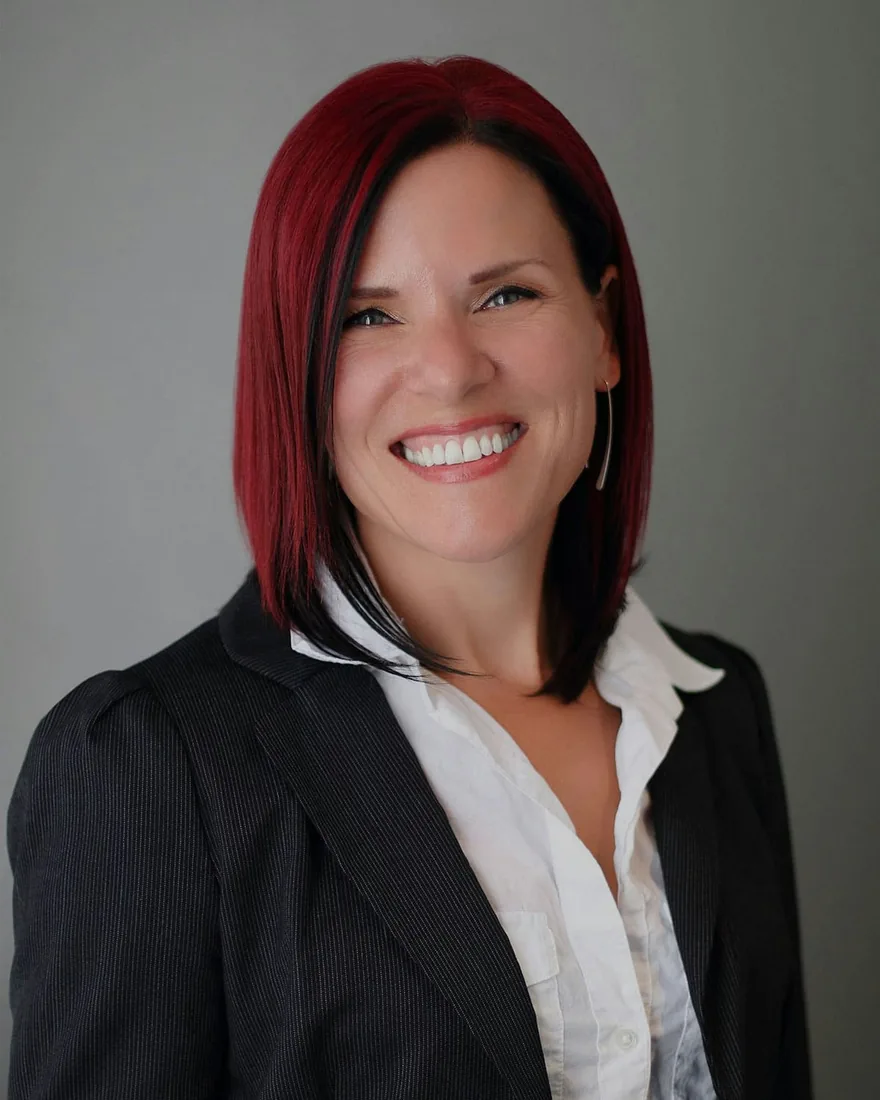
Dr. Lucy Hostetter
Board-Certified Anesthesiologist · Regenerative Medicine
Co-author of the Spinal and Epidural Anesthesia chapter in a leading Clinical Anesthesia textbook, with published research on ultrasound-guided adductor canal blocks for knee replacement and ultrasound-assisted thoracic epidural placement.
The physician
A board-certified, fellowship-trained anesthesiologist, Dr. Hostetter spent her career in orthopedic and spine surgery: regional anesthesia, the discipline of placing a needle exactly where it needs to be, under imaging, in a joint.
At Swedish Medical Center she helped build the adductor canal block program that cut opioid use after total knee surgery; in 2014 she founded the same programs at St. Francis. Years spent beside knee replacements, managing the pain they cause, which is why the needle work here is not an afterthought.
“While I have a deep love for the practices of surgery and anesthesiology, I am excited to offer patients an alternative to surgery, a means to repair and restore themselves.”
What actually happens
Total clinic time is 60–90 minutes without sedation, or 90–120 minutes with it. Here is where every one of those minutes goes.
01
We review your history, your imaging and what you're actually trying to get back to. This is also where we tell you if you're not a candidate.
02
Regenerative therapy is recommended for moderate osteoarthritis or degenerative conditions of the knee. If the joint is past that, we say so and discuss the alternatives.
03
After positioning and local anesthesia, marrow is harvested with specialised equipment under ultrasound guidance.
04
Your cells are separated and concentrated by centrifugation in the clinic, no more than minimal manipulation, which is what keeps the procedure inside FDA guidelines.
05
The concentrate is placed precisely at the site of injury under imaging guidance. Total clinic time is 60–90 minutes, or 90–120 with sedation.
06
Expect some mild tenderness at the puncture sites and possibly mild pain and swelling at the injection site. Many patients are back to normal activity within a day or two.
Setting expectations honestly
This is the part most clinics blur. Regenerative therapy is a healing process, not an anesthetic, so the timeline is genuinely variable. Here is the full range we see, including the slow end.
Day 1–2
Many patients return to work or full activity as soon as they feel up to it. Mild bruising and tenderness at the needle sites is not unusual. No sedation means you can drive home after a short observation period.
Days to weeks
Some patients report feeling better within a couple of days of the procedure. Strenuous exercise and high-impact movement should wait a short period.
1–3 months
Most improvement is reported in this range as the cell signalling process drives healing and recovery.
6–9 months
It can take as long as six to nine months for maximal results. Many patients get relief from a single treatment; some benefit from repeating or augmenting it.
Worth being clear about: stem cell therapy may regenerate cartilage in some cases, but the supporting data is limited and we won't promise it. What it reliably provides is pain relief and functional improvement, by activating a cell-signalling process that leads to healing.
In their own words
These are real, published reviews from named patients. They describe individual experiences, not typical or expected results. Outcomes vary between patients and no result is guaranteed.
4.8 from 132 Google reviews
“Prior to the stem cell therapy I was almost unable to walk because of the pain in my right knee.”
“I also had Stem Cell Replacement in my knee due to a torn ACL and have noticed a major improvement.”
“I had both my knees treated and had wonderful success. I went back to have my back treated.”
“I find her to be friendly, thorough, and highly competent.”
Reviews as published by Seattle Regenerative Medicine Center. Individual results vary and are not a guarantee of outcome for any other patient.
Straight answer
Screening people out is part of doing this properly. If any of the right-hand column applies to you, regenerative therapy isn't the right move right now, and we'd rather tell you before you book.
Start here
A consultation is a real evaluation, not a sales call. We review your history and imaging, tell you which of the three approaches fits, and tell you plainly if none of them do.
Hours
Mon–Fri, 8:00am–5:00pm
Fill this in and we’ll call you back. If it’s easier, call 425-454-0406 instead.
Before you call
For some patients, yes. For others, no. Regenerative therapy is recommended for moderate osteoarthritis or degenerative conditions of the knee, and it can repair injuries of the soft tissue, tendons and ligaments. We see particular success with degenerated cartilage under the kneecap. If your joint is past that point, we will tell you at the consultation rather than start a course of injections that won't help.
Patients commonly report only mild discomfort during the procedure and mild tenderness at the needle puncture sites afterwards. Because Dr. Hostetter is a board-certified anesthesiologist, sedation is available for the bone marrow harvest, the injection, or both, at minimal additional cost.
The consultation is a paid visit: $250, with a $50 non-refundable deposit to reserve the appointment, credited toward the consultation. Regenerative treatments are generally not covered by insurance; the only PRP indication insurers currently cover is lateral epicondylitis of the elbow. We'll give you clear treatment pricing at the consultation, once we know which approach fits your knee.
The harvest takes 20–30 minutes and the injection 10–30 minutes depending on the site: 60–90 minutes in clinic without sedation, 90–120 with it. If you choose sedation you'll need someone to drive you home. Without sedation you can drive yourself after a short observation period.
It varies a lot. Many patients report feeling better within a couple of days. Others see results in one to three months. It can take as long as six to nine months for maximal results, as the cells drive a healing and recovery process rather than masking pain.
Possibly, in some cases, but the supporting data is limited and we won't promise it. What stem cell therapy primarily provides is pain relief and functional improvement, by activating a cell-signalling process that leads to healing and recovery.
Our patients report 92% satisfaction with their therapy, in data tracked by a third party. Outcomes still vary between patients and no result is guaranteed. Published research on bone marrow concentrate for knee osteoarthritis reports improvement in pain and function for many patients over the short to medium term, with findings that are not yet consistent across studies and long-term data still being gathered. At the consultation we go through both, including what the evidence does not support.
Many patients get relief after only one treatment. Depending on the nature and severity of your condition, you may benefit from repeating or augmenting the treatment.
We use only your own bone marrow cells. Because the product is made exclusively from your own blood-related material, there's no risk of an immune response or rejection, no disease-transmission risk, and no ethical question about the source. Bone marrow is also processed with no more than minimal manipulation, which keeps the procedure compliant with FDA guidelines.
To date there are no reports or data to suggest that stem cell related injections promote the development of tumour growth. Patients with a recent cancer diagnosis, or currently in cancer treatment, are not candidates.
Any time a needle punctures the skin there is a risk of bleeding, bruising, pain, infection or nerve injury. Ultrasound guidance is used specifically to minimise the risk of vessel and nerve injury. Mild bruising and tenderness at the puncture sites is not unusual.
PRP comes from your blood and carries growth factors and platelets but no stem cells; it suits mild-to-moderate ligament and tendon injury. Bone marrow stem cell therapy includes stem cells and higher growth-factor concentrations, and is used for moderate osteoarthritis and degenerative joint change. Which one fits your knee is exactly what the consultation determines.
Still not sure? Ask us directly.