

A qualified provider sets the plan
Dr. Hostetter leads a team that will go over your lab results and symptoms to come up with your personalized treatment.

Tacoma, Washington
Bioidentical hormone pellet therapy for fatigue, brain fog, hot flashes, low libido and disrupted sleep, delivered under the care of a board-certified physician, with lab work before any prescription and monitoring after it. For women and men.
4.8 from 132 Google reviews
Send us a few details and we'll call you back to talk it through.
Dr. Lucy Hostetter
Board-Certified Anesthesiologist · Regenerative Medicine
Prefer to talk it through? Call (253) 331-2689
 MD · Dr. Hostetter
 Diplomate · ABA
Up to 15 yrs
Before menopause symptoms can start
Pre-menopausal symptoms can begin long before menopause itself
Lab-led
Dosing set by bloodwork
Evaluation and labs first, then a dosing plan
4 / year
Insertions, and that's it
For women, one every three months; men typically every five to six months
MD · PA · ARNP
Who delivers your care
Hormone therapy here is provided by a physician, a physician assistant or a nurse practitioner
Figures as reported by Seattle Regenerative Medicine Center. Individual results vary; no outcome is guaranteed.
A pattern worth testing for
These are the symptoms we hear most, from women and from men. Individually each one is easy to explain away. Together they're a pattern worth testing for.
Pre-menopausal symptoms can begin up to fifteen years before menopause itself, and men as young as thirty can experience hormone decline. “Too young for this” is the most common reason people wait.
Why here, specifically
Hormone therapy is having a moment, and a lot of places have added it to a menu. Here the evaluation is clinical, the dosing follows your lab work, and the provider who sets the plan is the one who places the pellet.
Dr. Hostetter leads a team that will go over your lab results and symptoms to come up with your personalized treatment.
Bioidentical hormones are compounded from naturally occurring sources and are designed to be structurally indistinguishable from endogenous human hormones.
A pellet gives a steady stream of hormones rather than a peak and a crash: more consistent blood hormone levels, no roller-coaster effect, no injection-site side effects, and nothing to self-administer.
Follow-up appointments are scheduled to monitor your results, and dosing is adjusted to your body's needs: women every three months, men typically every five to six months.
Separate protocols for each. The symptom pattern differs, the dosing differs, and the insertion interval differs.
The consultation is an evaluation, not a sales appointment. If your labs point somewhere other than hormones, that is what we tell you, rather than starting a course of treatment anyway.
How it actually works
The delivery method is the point. A pellet placed under the skin releases hormones steadily, so your levels stop swinging between doses.
A pellet placed under the skin releases hormones steadily, replacing what your body has stopped producing.
An insertion every three months, four times a year, with optimal levels typically about two weeks after each one.
Typically used for
Hot flashes, migraines, sleep disruption, low mood, reduced desire
The same steady-release approach on a men's protocol, for the symptoms of declining testosterone.
Placed every five to six months depending on your needs. Men as young as thirty can be affected.
Typically used for
Loss of libido, fatigue, memory decline, muscle loss, low mood
Hormone therapy is not a single transaction. Levels are reviewed and dosing adjusted over time.
This is what separates managed therapy from a pellet and a handshake, and where the dosing actually gets right for you.
Typically used for
Everyone on the protocol
The question everyone asks
This is the practical difference people want explained, and it's the reason we use pellets.
| Bioidentical Pellets | Creams, Gels & Injections | |
|---|---|---|
| Hormone levels | More consistent | Peak and trough between doses |
| The roller coaster | No roller-coaster effect | Common between doses |
| What you do daily | Nothing | Apply or inject on schedule |
| Appointments | Fewer: 4 a year | More frequent |
| Injection-site effects | None | Possible |
| Transfer risk to others | None | A known issue with topicals |
| Our position | Better long-term results | Less effective than pellets |
What it's used for
Hormone imbalance rarely shows up as one dramatic symptom. It shows up as six small ones that each seem like something else.

Among the most recognisable signs of hormone imbalance in women, and one of the most disruptive to sleep and daily function.
Named on both the women's and men's pages as reduced mental focus and energy levels. The symptom most often explained away as ordinary ageing.
Listed for women as reduced sexual desire and for men as loss of libido and reduced sexual performance.
Broken or irregular sleep patterns, which then compound every other symptom on this list.
Increased irritability and depression appear on both protocols. Often the symptom other people notice first.
Diminished muscle mass and joint pain, alongside weight gain that doesn't respond to what used to work.
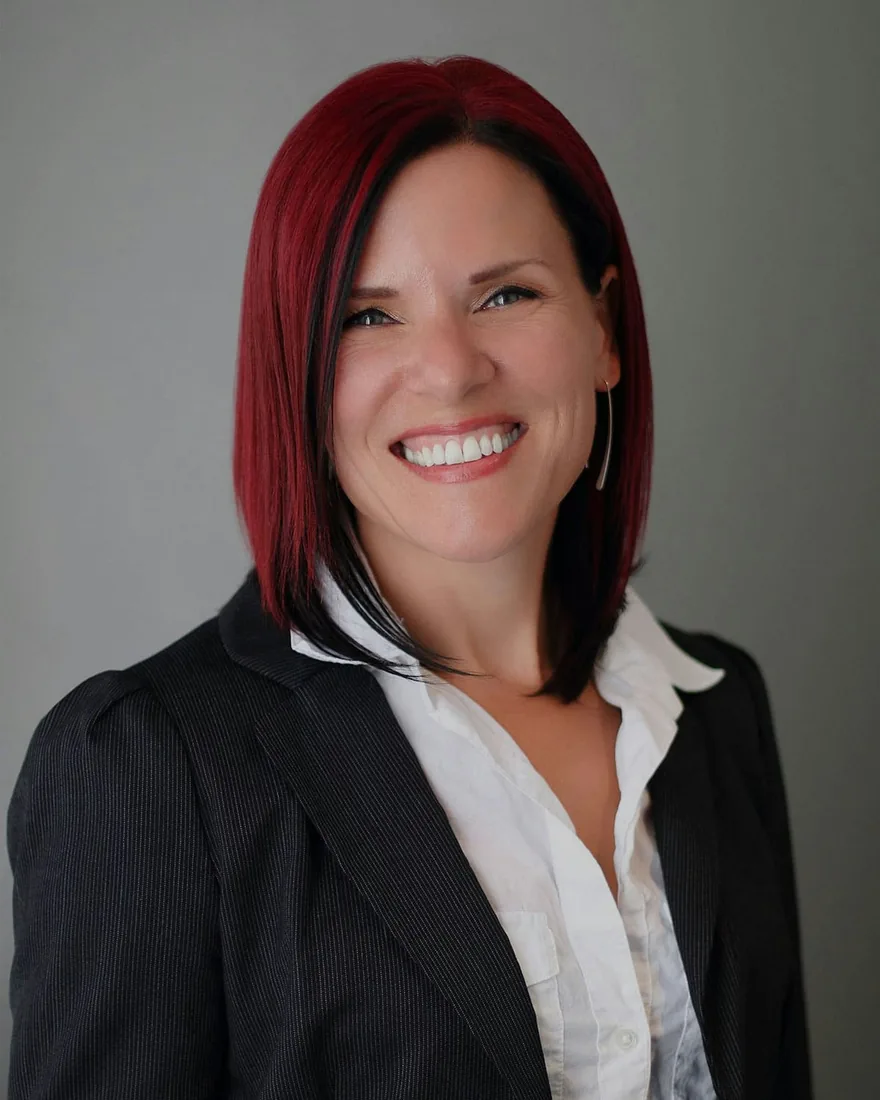
Dr. Lucy Hostetter
Board-Certified Anesthesiologist · Regenerative Medicine
Co-author of the Spinal and Epidural Anesthesia chapter in a leading Clinical Anesthesia textbook, with published research on ultrasound-guided adductor canal blocks for knee replacement and ultrasound-assisted thoracic epidural placement.
Who you'll see
Hormone therapy here is delivered by a physician, a physician assistant or a nurse practitioner, and most appointments are with our physician assistant. The programme is overseen by Dr. Lucy Hostetter, MD, our medical director, who earned her medical degree at the UCLA School of Medicine, completed her anesthesiology residency at Virginia Mason Medical Center, and is board-certified.
What that changes is mostly what it rules out. There is no counter here and no plan written off a symptom questionnaire: the evaluation is clinical, the dosing follows your bloodwork, and you see the same small team each time.
“While I have a deep love for the practices of surgery and anesthesiology, I am excited to offer patients an alternative to surgery, a means to repair and restore themselves.”
What actually happens
Nobody should be handed hormones on the strength of a symptom list alone. Here is the sequence.
01
We go through your symptoms, your history and what you're actually trying to get back: energy, sleep, mood, libido, or all four.
02
Hormone levels are measured rather than assumed. This is also where other explanations for your symptoms get ruled in or out.
03
Dosing is set to your labs and your symptoms, on the women's or men's protocol. You'll know what you're taking and why before anything is placed.
04
A quick in-clinic procedure. Patients describe it as fast and virtually painless. Nothing to self-administer afterwards.
05
Optimal hormone levels are typically achieved roughly two weeks after insertion. Symptom change generally follows rather than precedes that.
06
A follow-up appointment monitors your results and adjusts dosing. Then an insertion every three months for women, every five to six months for men.
Setting expectations honestly
Hormone therapy is a titration, not a switch. The first round establishes your baseline; the follow-up is where the dose actually gets right.
Same day
The insertion is a brief in-clinic procedure with no injection-site regimen to follow afterwards and nothing to self-administer at home.
~2 weeks
Optimal hormone levels are typically achieved about two weeks after insertion. This is a levels milestone. How quickly you notice a difference varies.
First follow-up
Your results are reviewed and dosing adjusted to your body's needs. Expect the first round to be a starting point rather than a final answer.
Ongoing
Women typically receive an insertion every three months, four times a year; men every five to six months. Consistent levels are the goal.
Worth being clear about: compounded bioidentical hormones are not FDA-approved in their compounded form, and the comparative benefits described on this page reflect our own clinical experience rather than settled clinical consensus. Hormone therapy carries real risks and is not appropriate for everyone, which is exactly why it starts with lab work and an evaluation, not a symptom quiz.
In their own words
These are real, published reviews from named patients. They describe individual experiences, not typical or expected results. Outcomes vary between patients and no result is guaranteed.
4.8 from 132 Google reviews
“After 3 weeks I am so pleased to report my hot flashes and night sweats are gone.”
“I feel so much better: increased energy, decreased irritability.”
“I have been taking the hormonal pellets for close to a year now and my life and emotional happiness has never been better.”
“The procedure itself was surprisingly quick and virtually painless, thanks to Dr. Hostetter skillful technique.”
Reviews as published by Seattle Regenerative Medicine Center. Individual results vary and are not a guarantee of outcome for any other patient.
Straight answer
Hormone therapy is not right for everyone, and the honest answer depends on your labs and your history rather than your symptoms alone. That is what the consultation is for.
Start here
A consultation is an evaluation, not a sales call. We go through your symptoms and your history, order the labs that answer the question, and tell you plainly if hormones aren't the explanation.
Hours
Mon–Fri, 9:00am–5:00pm
Fill this in and we’ll call you back. If it’s easier, call (253) 331-2689 instead.
Before you call
Optimal hormone levels are typically achieved about two weeks after insertion. How quickly you notice a change in symptoms varies between people, and the first round is usually a starting point that gets adjusted at follow-up rather than a final dose.
A pellet releases hormones steadily rather than peaking and dropping between doses, which means more consistent blood hormone levels, no roller-coaster effect, fewer appointments, no injection-site side effects, nothing to self-administer, and no transfer risk to a partner or child, which is a real consideration with topical products.
Women typically receive a bioidentical hormone pellet insertion every three months, four times a year. Men typically receive them every five to six months, depending on their body's needs.
Bioidentical hormones are compounded from naturally occurring sources and are designed to be structurally indistinguishable from endogenous human hormones. That is, the same molecular structure as the hormones your body produces itself.
That's the most common reason people wait. Pre-menopausal symptoms can begin up to fifteen years before the onset of menopause, and men as young as thirty may experience hormone issues. Younger women with sedentary work and high-stress jobs can also experience imbalance. Age isn't the qualifier. Your labs are.
It's a brief in-clinic procedure. One published patient review describes it as surprisingly quick and virtually painless. There's nothing to self-administer afterwards.
Test first. Hormone levels are measured with lab work rather than inferred from a symptom list, and follow-up appointments are scheduled to monitor your results and adjust dosing. Anyone offering hormones without labs is skipping the step that makes it medicine.
The consultation is a paid visit: $100. There is no deposit. Hormone optimisation is generally not covered by insurance. We'll give you clear pricing at the consultation, once we know what your labs show and which protocol fits.
Hormone therapy carries real risks and is not appropriate for everyone, which is why it begins with lab work and a clinical evaluation. Compounded bioidentical hormones are not FDA-approved in their compounded form, and the comparative benefits described on this page reflect our own clinical experience rather than settled clinical consensus. Bring your full history, including any personal or family history of hormone-sensitive cancer, clotting or cardiovascular disease, and it will be weighed before anything is started.
You are seen by a team. Hormone therapy here is delivered by a physician, a physician assistant or a nurse practitioner, and most appointments are with our physician assistant. The programme is overseen by Dr. Lucy Hostetter, MD, our medical director, who earned her medical degree at the UCLA School of Medicine, completed her anesthesiology residency at Virginia Mason Medical Center, and is board-certified.
Yes, separate protocols for each, because the symptom pattern, the dosing and the insertion interval all differ. Men's symptoms commonly include loss of libido, reduced mental focus and energy, diminished muscle mass, joint pain, irritability and reduced sexual performance.
Then we tell you that, and hormone therapy isn't the answer for you. Fatigue, low mood and poor sleep have plenty of other causes, and starting hormones for a problem they can't fix helps nobody.
Still not sure? Ask us directly.